How to Troubleshoot Common Outlet & Switch Issues in Seattle Homes
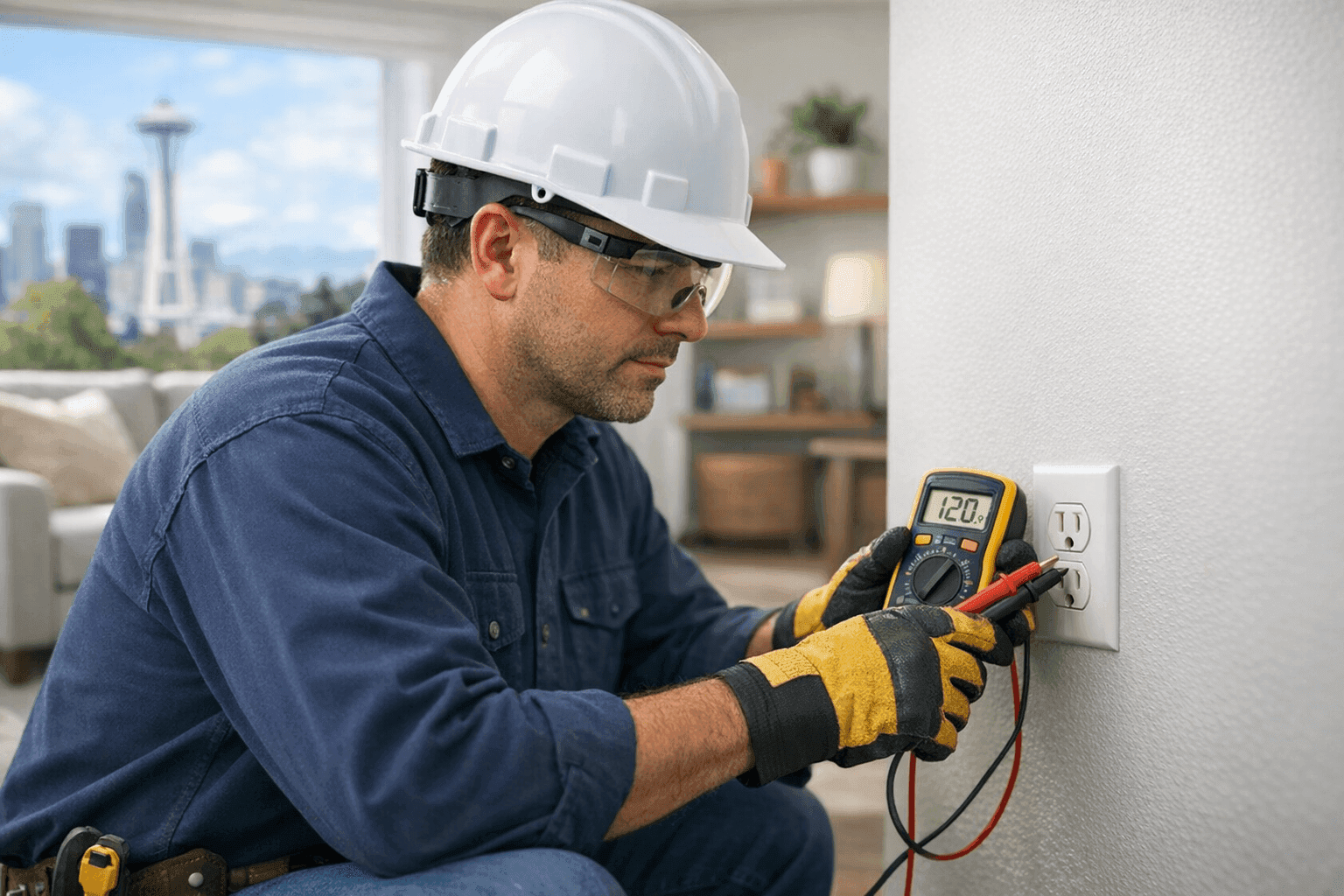
Seattle’s homes have stories to tell. Some are written in creaky floorboards, others in the flicker of a living room light or a silent outlet that just won’t charge your phone. When outlets or switches stop working, it can be more than a small inconvenience—it’s a break in your daily routine, and sometimes, a warning sign from your home’s electrical heartbeat.
At Outstanding Electric, our team has seen it all, especially given Seattle’s damp climate and aging housing stock. This guide will walk you through recognizing, checking, and responding to the most common outlet and switch issues—so you know what you can safely tackle, and when it’s time to bring in a licensed electrician.
Identifying the Problem: Symptoms & Causes ⚡
Electrical problems rarely knock politely—they announce themselves in bursts, flickers, or dead silence. Here’s what to look for:
- Dead Outlets: Nothing powers on, even after trying different devices.
- Flickering Lights or Switches: Lights dim or flicker when a switch is flipped or an appliance turns on.
- Warm or Buzzing Outlets/Switches: The faceplate feels hot, or you hear a faint humming noise.
- Sparking or Scorch Marks: Obvious signs of trouble. Never ignore these.
- Tripped Breakers or GFCI Outlets: Power is out to outlets or whole rooms, often after using a specific device.
Common causes in Seattle homes:
- Moisture intrusion from rain and humidity (a frequent culprit in the Pacific Northwest).
- Worn or outdated wiring (especially in homes built before the 1980s).
- Overloaded circuits from modern appliances on old systems.
- Loose connections from years of vibration or settling.
Safe DIY Checks You Can Do
Before grabbing a screwdriver, safety comes first. Think of electricity like a river—calm on the surface, powerful underneath. Here’s how to approach with care:
- Turn Off Power: Always shut off the breaker to the affected area before inspecting outlets or switches.
- Test with a Plug-in Device: Try a lamp or phone charger in the outlet to confirm it’s not your device that’s faulty.
- Check GFCI Outlets: Press the “reset” button. If it won’t reset, unplug everything and try again.
- Inspect Breaker Panel: Look for tripped breakers (they’ll often sit between ON and OFF). Flip fully off, then back on.
- Look for Obvious Damage: Scorch marks, melted plastic, or a burning smell means stop—this is a job for an electrician.
Do not remove covers or touch wiring unless you’re comfortable and know the power is off. Even then, proceed with caution.
Seattle Code Considerations 🏡
Seattle’s electrical code follows the National Electrical Code (NEC) with additional city-specific amendments. Here’s what homeowners should know:
- GFCI Protection: Required in kitchens, bathrooms, garages, and outdoor outlets due to moisture risks.
- Tamper-Resistant Outlets: Mandatory in new residential construction or major remodels to protect kids.
- Permit Requirements: Any work beyond simple outlet or switch replacement (like adding new outlets, rewiring, or major repairs) must follow Seattle Department of Construction & Inspections regulations.
- Inspections: All new electrical work, including Electrical System Design in Seattle, WA, may require inspection and approval.
Ignoring code can mean failed inspections, insurance issues, and even fire risks. Always check city guidelines if you’re unsure.
When to Call a Licensed Electrician
DIY can solve small mysteries. But there’s a fine line—cross it, and you risk injury or damage. Call an electrician if:
- The outlet or switch is warm, buzzing, or scorched.
- Resetting breakers or GFCIs doesn’t restore power.
- Outlets lose power repeatedly, or multiple outlets/switches are affected.
- You suspect water may have entered the outlet (common in basements or exterior walls in Seattle).
- You find loose, old, or cloth-covered wiring behind faceplates.
- You’re unsure what the problem is, or feel out of your depth.
Licensed electricians have the right tools and training to safely repair outlets and switches and ensure your system meets code.
Practical Troubleshooting Tips
Here’s what you can safely try before calling for backup:
- Reset GFCI Outlets: Press “test,” then “reset.” If it pops again, unplug all devices and repeat.
- Check All Nearby Outlets: Sometimes, one tripped GFCI can kill power to several other outlets on the same circuit.
- Light Switch Doesn’t Work? Try a new bulb. If it still fails, the issue may be with wiring or the fixture itself.
- Label Your Breakers: If you haven’t already, this makes troubleshooting easier next time.
If the issue persists, it’s time to step back and call a licensed electrician.
Local Insights: Seattle’s Moisture & Aging Homes 🌧️
Seattle’s signature drizzle and older buildings create unique challenges:
- Moisture Intrusion: Rain and humidity can sneak into poorly sealed exterior outlets and cause corrosion, short circuits, or GFCI trips.
- Historic Wiring: Many Seattle homes still use knob-and-tube or aluminum wiring, both of which are prone to failure and are not up to modern code.
- Rodent Damage: In older neighborhoods, rodents sometimes chew wiring hidden in basements or attics.
These issues often require more than a quick reset—they call for a professional’s eye and, sometimes, a full fault finding service.
The Risks of DIY Electrical Work
Electricity doesn’t forgive mistakes. Here’s why caution matters:
- Shock & Fire: Even a low-voltage shock can injure. Faulty repairs can cause hidden fire risks.
- Code Violations: Unpermitted or improper work can void insurance claims or lead to expensive corrections during home sales.
- System Damage: Incorrectly wired outlets or switches can damage appliances, trip breakers, or create “dead” spots.
When in doubt, play it safe and call a pro.
FAQs About Outlets & Switches in Seattle Homes
Q: Why do my GFCI outlets keep tripping during storms?
A: Seattle’s rain and high humidity can cause moisture to seep into outdoor or garage outlets, triggering GFCI protection. Check for cracked covers or poor seals.
Q: Is it safe to replace a switch or outlet myself?
A: Simple replacements are legal for homeowners, but you must turn off power and follow NEC and Seattle’s local amendments. If you see old wiring or anything unusual, stop and call an electrician.
Q: My outlet works sometimes, then stops. What’s wrong?
A: Likely a loose connection or failing outlet. These can be a fire risk—get it checked professionally.
Q: How often should I have my home’s outlets and switches checked?
A: We recommend a safety inspection every 3–5 years, or immediately if you notice any unusual symptoms.
Related Services
Need help tracking down a tricky electrical issue? Learn more about our outlets & switches and fault finding services.
When it comes to your home’s safety, there’s no need to gamble. If you’re facing outlet or switch issues—or just want peace of mind—reach out to Outstanding Electric.
Call Outstanding Electric now — or reach us anytime at (206) 495-0441 .