What Does It Cost to Rewire a House in Seattle? Homeowner’s 2024 Guide
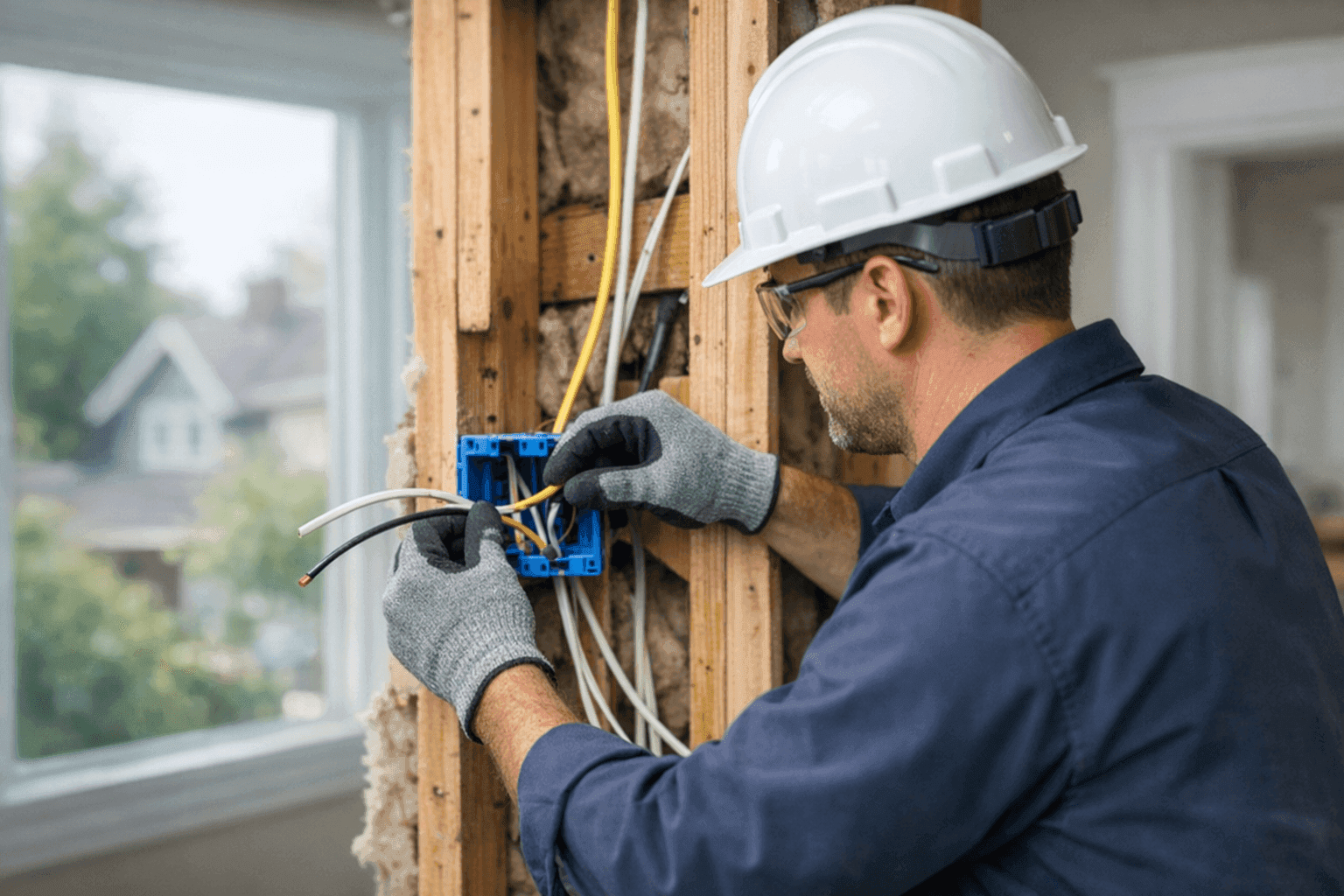
Is your Seattle home showing its age? Flickering lights, dead outlets, or tripped breakers can feel like warning lights on a car dashboard. Most houses in the Emerald City were built long before the tech we use today was even imagined.
At Outstanding Electric, we help Seattle homeowners make sense of what it means — and what it actually costs — to rewire a house. Whether you’re planning an upgrade or facing urgent electrical issues, this guide walks you through the realities, so you can make safe, informed choices.
Why Seattle Homes Need Rewiring ⚡
Seattle is famous for its classic Craftsman bungalows and mid-century gems. But those beautiful bones often hide old electrical wiring—sometimes cloth-wrapped, knob-and-tube, or aluminum.
Here’s why rewiring is more than just a home improvement:
- Safety First: Outdated wiring increases fire risk and may not handle today’s appliances or EV chargers.
- Insurance & Resale: Many insurers refuse coverage or raise rates on homes with old wiring. Some buyers even make rewiring a condition of sale.
- Code Compliance: Seattle updates its building codes regularly. Old systems might not just be inconvenient—they may be illegal.
If your house was built before 1970, or you’re seeing warning signs like warm outlets, buzzing switches, or flickering lights, it’s time to consider a professional checkup.
What Affects Rewiring Costs in Seattle
Rewiring isn’t a one-size-fits-all job. Costs can climb or shrink based on several factors—think of it like piecing together a puzzle, where each piece affects the final picture.
Home Size and Layout
- Square Footage: Bigger homes need more wire, labor, and materials.
- Layout Complexity: Multistory homes, finished basements, or hard-to-access attics add to the challenge.
Age and Condition of Electrical System
- Very Old Homes: If your house has knob-and-tube or aluminum wiring, extra care and materials are needed to replace it safely.
- Remodeled Homes: Past remodels might hide surprises, like spliced wires or hidden junction boxes.
Seattle Permit and Code Upgrades
The Seattle Department of Construction & Inspections requires permits for most electrical work—and for good reason. Permits help ensure all work meets the latest National Electrical Code (NEC) standards and local amendments.
- Permit Fees: Expect $300–$1,000+, depending on scope.
- Inspections: Multiple inspections may be required before, during, and after the work.
Materials and Labor
- Wiring type: Copper wire is standard, but certain uses (like high-voltage appliances) require specialized cables.
- Fixtures and Panels: Upgrading your panels and breakers or adding new outlets/switches adds to the cost.
- Labor: Seattle electricians are licensed, bonded, and insured—this protects you, but quality work does cost more.
Special Upgrades
- Home Automation: Smart switches, lighting controls, and EV chargers increase material and labor needs.
- Backup Generators/High-Voltage Needs: More sophisticated systems require additional design and installation time.
Typical Price Ranges in Seattle (2024)
Every home is unique, but here’s what most Seattle homeowners can expect for a full rewire in 2024:
- Small Homes (under 1,200 sq ft): $12,000–$17,000
- Mid-sized Homes (1,200–2,500 sq ft): $16,000–$30,000
- Larger or Historic Homes: $25,000–$50,000+
What’s Included in a Full Rewire?
- Removal of old wiring (where accessible)
- Installation of new copper wires, outlets, and switches
- New electrical panel if needed
- Safety checks and code-compliant labeling
- Patchwork to walls/ceilings (basic; major repairs are extra)
- Permit, inspection, and final walk-through
Partial rewiring—say, just the kitchen or a new addition—usually costs less, but can still run $5,000–$10,000+.
How to Budget and Plan for a House Rewire
Big projects need good plans. Here’s how to approach your Seattle rewiring project:
- Get Multiple Estimates: Look for detailed, written quotes that break down labor, materials, permit, and inspection fees.
- Ask About Code Requirements: Your electrician should be well-versed in Seattle codes and the latest NEC standards.
- Plan for Hidden Surprises: Older homes can reveal unexpected issues once walls are opened.
- Schedule Strategically: If possible, plan rewiring before other renovations or after tenants have moved out.
- Prioritize Safety: Never cut corners on permits or inspections to save money.
Pro Tip: Doing electrical work without permits in Seattle can result in fines, insurance issues, and serious safety risks. Always insist on a licensed, bonded electrician.
Choosing the Right Electrician in Seattle 🏠
Not all electricians are created equal. Here’s what to look for:
- Seattle License & Bonding: Confirm your electrician is licensed (# required by Washington State) and carries current insurance.
- Experience with Older Homes: Ask about experience with homes built before 1970, especially those with knob-and-tube or aluminum wiring.
- Clear, Transparent Pricing: Reputable electricians will walk you through every line item—no vague “bundles” or surprise add-ons.
- References & Reviews: Look for local reviews and ask for references from recent jobs in Seattle neighborhoods like Ballard, Capitol Hill, or West Seattle.
- Willingness to Pull Permits: If an electrician suggests skipping permits, that’s a red flag.
Ready to talk with a local professional? Learn more about our rewiring services and electrical system installation for Seattle homes.
Practical Cost-Saving Tips (Without Compromising Safety)
- Bundle Projects: If you’re remodeling, add rewiring to save on labor and patchwork.
- Prioritize Circuits: If a full rewire isn’t in the budget, start with the most at-risk areas (kitchen, bathroom, main panel).
- Choose Standard Fixtures: Specialty lighting and designer switches add up fast.
- Be Present for Walk-Throughs: You’ll catch issues early and avoid costly surprises.
What’s Included: Full vs. Partial Rewiring
Full Rewire:
- All new wiring from panel to each outlet, switch, and light
- Replacement or upgrade of main panel if required
- New outlets, switches, and code-compliant labeling
- Permit and inspection fees
Partial Rewire:
- Updates to one or more rooms or circuits
- Possible panel upgrades (if needed)
- Less disruption, lower cost, but may not address all risks
Frequently Asked Questions
Can I stay in my home during a rewire?
Sometimes, yes—especially for partial rewires. For full rewires, expect significant disruption (power shut-offs, open walls). Many homeowners stay elsewhere for a few days.
How long does a house rewire take?
- Small homes: 5–10 days
- Mid-sized homes: 1–3 weeks
- Large/historic homes: 2–4+ weeks Timelines depend on access, inspection schedules, and complexity.
What if my walls are plaster, not drywall?
Older plaster walls take more time to open and repair. Expect higher costs for patching and finishing.
Is rewiring tax-deductible or covered by insurance?
Usually, rewiring is considered a capital improvement, not a repair—so it’s not deductible. Some insurance policies may cover rewiring if required after an inspection. Check with your provider.
Seattle’s Unique Permit & Code Considerations 🌧️
Seattle’s rainy climate and older housing stock bring special challenges:
- Moisture Protection: Basements and crawl spaces need special wiring and moisture-resistant materials.
- Earthquake Readiness: New codes may require seismic upgrades to panels and wiring supports.
- EV Chargers & Smart Homes: Seattle’s push for green tech means many homeowners want wiring ready for electric vehicles and home automation.
Always check with the Seattle Department of Construction & Inspections for the latest code changes—and work only with licensed electricians who know the local rules inside and out.
Related Services
Looking for more than just rewiring? We also offer:
- Panels & Breakers: Upgrade your home’s electrical panel for better safety and reliability.
- Electrical System Installation: Whole-home and specialized installations for Seattle homes.
Ready to plan your Seattle home rewire—or just need honest answers?
Call Outstanding Electric now — or reach us anytime at (206) 495-0441 .